Scubapro Knighthawk BC Review

 The Scubapro Knighthawk has been my go to BCD many years, I purchased it before I started my IDC in 2011 and it has accompanied me for many dives. The Knighthawk was the first back in flat ion BCD that I have owned, and it was responsible for a complete change in my perception of BCD’s. The Knighthawk had many features that I think made it a very great BCD, but over time and with exposure to other brands I began to see some of its shortcomings.
The Good: One of the features that I really enjoyed about the Knighthawk was that all of the straps and fast tech buckles tightened from one side making it easy to synch down everything at the beginning of the dive. It also had a metal cam buckle for the tank strap that if you were consistently diving the same size tank made set up fast and easy. The bladder on this BCD was huge, I had a medium and the lift capacity was 44 lbs. It had a padded neck and plenty of D-rings for accessories. I enjoyed this BC a lot and I found it suitable for cold water diving and warm water diving.
The Bad: There were a few things that I began to realize over time with this BCD that I wish could be a little different. The quick release weight pockets felt overly secure and difficult to remove in  an emergency, (obviously I wanted them to be secure, but in training new students on how to remove weights I always had to cheat a bit and actually unclip the buckles instead of just pulling the pockets out). Another issue I ran into was the deflator purge valve getting stuck open on giant stride entries, because it is a little switch that can be manipulated with the hand I could quickly fix it after i was aware of the situation, but not ideal. The auxiliary shoulder dump would often get stuck under the shoulder strap and was rather uncomfortable when it did happen. One of my last gripes with the Knighthawk was that the bladder while large was not well secured, it has elastic lashing around the edges to keep the air distribution even but it is a single piece of elastic for both sides so it also shifts and I found it prone to collecting air on one side. The pockets at the base of the weight pockets are also worthless, hard to fit a pocket mask or anything for that matter and very inconvenient to access during a dive especially in gloves.
Things I’m not sure about: The Scubapro lifetime warranty. When I bought this bcd in 2011 before I started my IDC program one of the selling points was that there was a lifetime warrantee. Over the years with an abundance of use teaching in the pool and ocean the BCD had begun to deteriorate, despite regular washing and rinsing. When one of the velcro pieces broke at the base of the base plate and the pad had begun to swing when I dove, I decided to take advantage of the lifetime warrantee. I jumped through the hoops of finding my receipt 3 years later and sent it in for repair. When the BCD had returned it came with a $25 dollar fee, not huge but shouldn’t the warrantee have covered that, or did I just miss understand the guidelines of a lifetime warrantee.
Overall this bcd served it purpose, but like any piece of equipment its hard to get every feature you want in one. Would I buy another Knighthawk, maybe in the future when the design changes a little, but I believe there are better BCD’s out there at the moment. That are a little less expensive and have more features.
The Knighthawk bcd is to be discontinued, scubapro is currently in the process of phasing out the nighthawk and plans to replace it with the Seahawk bcd. The Seahawk has many similar features of the nighthawk but also has larger pockets for storage.
Tips for Diving with a Mustache
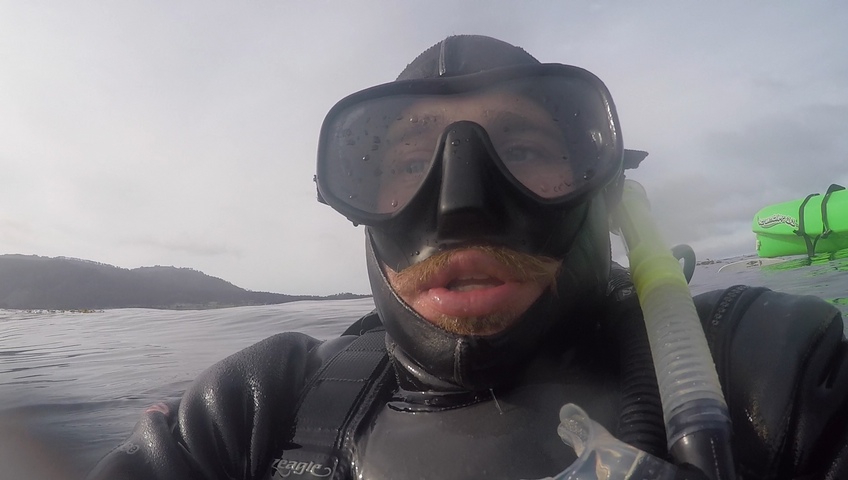
A moustache or any facial hair can be a serious problem if you are a diver. The problem generally lies with the sealing of a mask to the face. Now if you are a person that believes shaving is absolutely not an option then there are a couple tips for diving with a mustache.
Divers Cut: The divers cut is a simple solution of shaving the top 8th of the mustache under the nose in order to give the mask some skin to seal agains. Because this is a way to trim the mustache unfortunately this look does not suit every diver, but it is a good solution for a leaky mask when you have a mustache.
 Chapstick, Vaseline, Silicone: For those that are unwilling to trim their mustache and sport the divers cut, this is another option. All of these are viable options for getting a mask to seal, they will generally leave a residue on the mask and mustache after the dive. Some divers claim that some of these options can degrade the silicone but i have been unable to find any evidence of this. This option does work as well as the divers cut but requires a diver to remember to bring their chosen mustache sealant. Note: if you do choose to use silicone my recommendation is silicone grease used for diving related lubrication. Most divers will have some in their save a dive kit.
O Natural: This is probably the least appealing option, fortunately there is a natural way our body can help us remedy a leaky mask. Im sure all divers have experienced the accumulation of snot at the end of the dive. This is my solution for diving with a mustache. This remedy does not solve the problem immediately and your mask will leak for the first part of the dive but once the snot builds up a bit it will seal like there is no mustache at all. Some people do find this the most unappealing solution, but every diver comes up with mucus on their face so why not use it, and you never have to remember to bring it with you.
In conclusion there is no reason to sacrifice a well established mustache for diving, there are many solutions to ensure a well sealed mask when sporting a mustache.
Wetsuit of Lies

In diving one of the first major purchases that a new dive will make is a wetsuit. They are generally a lower budget item for divers beginning to get serious and are tired of waring suits other divers have peed in. This problem I am about to address is more common in cold water because of the necessity of a wet/dry suit. Often while shopping a sales person will try to recommend a dry suit because of its benefits of being dry, and costing more than a wetsuit. After  adamantly refusing this option some shops and sales persons will tell you about a magical “semi-dry suit“. It is half the cost of the dry suit that you just saw but twice the cost of the wetsuit that you were considering. This is a lie and they are lying lairs, there is no such thing as a “semi-dry suit“. Don’t be fooled obviously there are things marketed as “semi-dry suits” but a suit that keeps you semi-dry just doesn’t exist. In diving there are two options for diving wet or dry, you can’t be sorta dry or kinda dry that is wet. Would you buy a semi-dry phone case? I have a feeling that that might not cut it if you wanted you phone to continue working.
So whats the difference, what makes these suits seem better than a traditional wetsuit. Nothing at all, it is a perceived improvement because of the belles and whistles and higher cost. The purpose of a wetsuit is to trap a layer of water inside the suit so body heat can warm it up and keep it trapped for insulation. This can be achieved  by any wetsuit that fits properly, “semi-dry suits” try to forgo this design by super charging the seals at the ankles, wrist and neck to resemble dry suit neoprene seals. Now there is nothing wrong with doing this to a suit, it does make the suit more of a hassle to deal with, but in theory not degrade the purpose of the suit. A common error that divers can make with theses suits is assuming that it does not let water in the suit there for it does not need to be a snug fit, “semi-dry suits” fit is as important as wetsuits because they are wetsuits. The intention is to reduce the flow of water in and out of the suit with these super charged seals, and most of these suits do this very adequately but the question is do they earn the title of “semi-dry”. My issues with these “semi-dry suits” is not weather or not they work, most are very good suits. The issues lies with the deception to the customers, and the higher cost of the suits. Semi-dry suits are glorified wetsuits, they sound fancier and give a false perception of higher quality.
Keep in mind next time your find yourself looking for a new wetsuit, and the sales person tries to sell you a “semi-dry suit” remember to ask if you will be dry or wet in the suit, and whatever answer you get thats what kind of suit it really is.
The Colder the Better
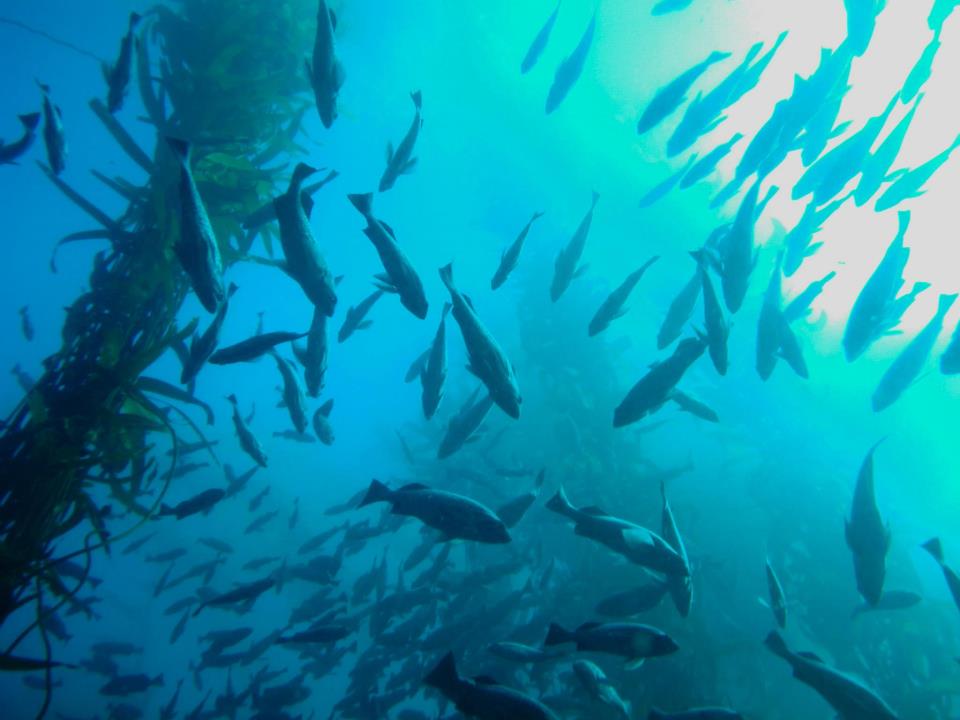
Central California diving is coveted as some of the best cold water diving in the world. The kelp forest provide a unique environment that can only be found in California. Diving in the kelp forest should be in every divers bucket list, and while many divers will make the trip to monterey and dive Breakwater, my suggestion is to head a little further south to Carmel. Carmel is not as frequently dived and the structure that can be found on many dive sites is unparalleled. 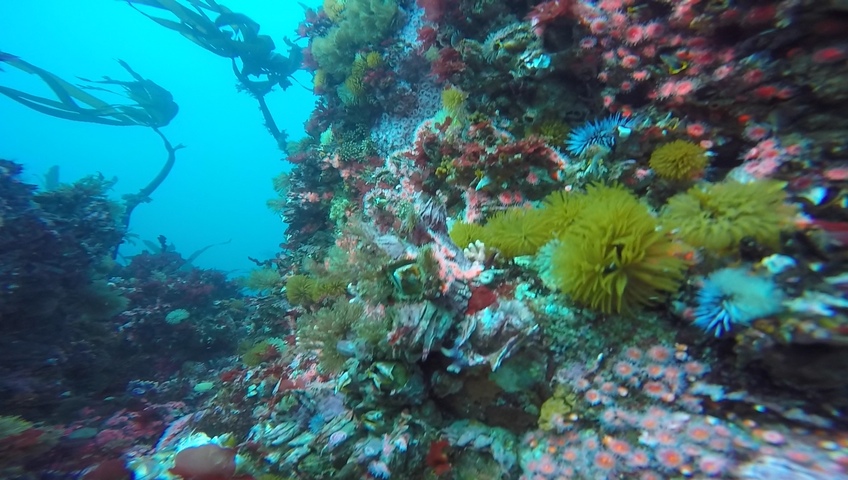 With all of this being said there are a few misconceptions people have about diving in California. First California diving is completely different from diving anywhere else in the world. If you are not familiar with Monterey or Carmel I highly recommend hiring a guide they will help with gear and help you find the little treasures that hide in all the different nooks and crannies. Second, the summer is the worst time to dive, because of plankton blooms in the summer visibility degrades in the summer, the swells tend to be much lighter in the summer but this lack of movement allows the water to become stagnant. Third, the water is cold no matter the time of year, average yearly highs in Monterey are in the mid 50’s while Lows are in the mid 40’s, average temperature is 50 degrees. The best time to dive California is in the winter and spring, winter storms wash out all the junk that collects during the fall. Cold water is also a sign of upwelling, meaning that cold very clear water is coming up from deeper waters to replace surface waters displaced by winds. Upwelling normally occurs in the winter and spring along the California coast. The divers that are well prepared (usually the drysuit divers) are able to capitalize on
 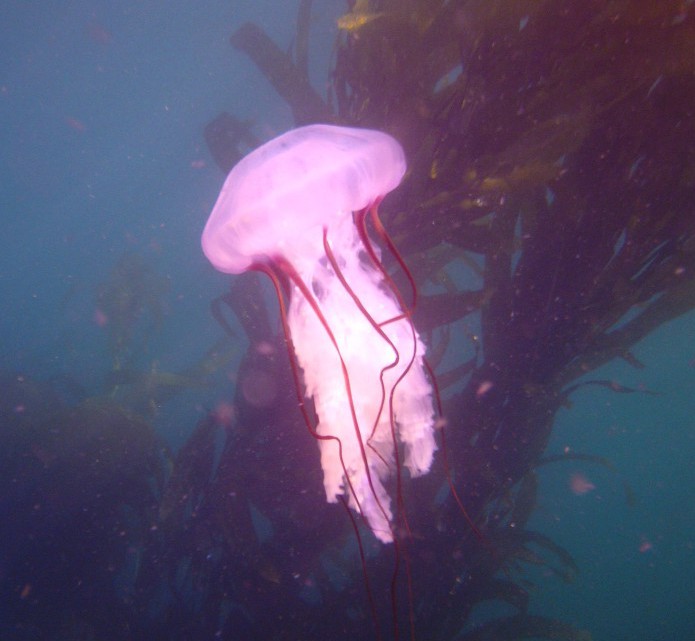 these cold waters and on occasion find visibility of 60-150 ft. While many divers who are used to warm water and consistent visibility this may not sound amazing, but along the coast average visibility is about 20ft and can be as bad as 2 ft at times. So when reports of 100ft visibility are heard it is not uncommon to see divers flood the waters. So when you hear that the water temp is reaching its seasonal low its time to pick up your gear and get in the water.
The Art of Kayak Diving
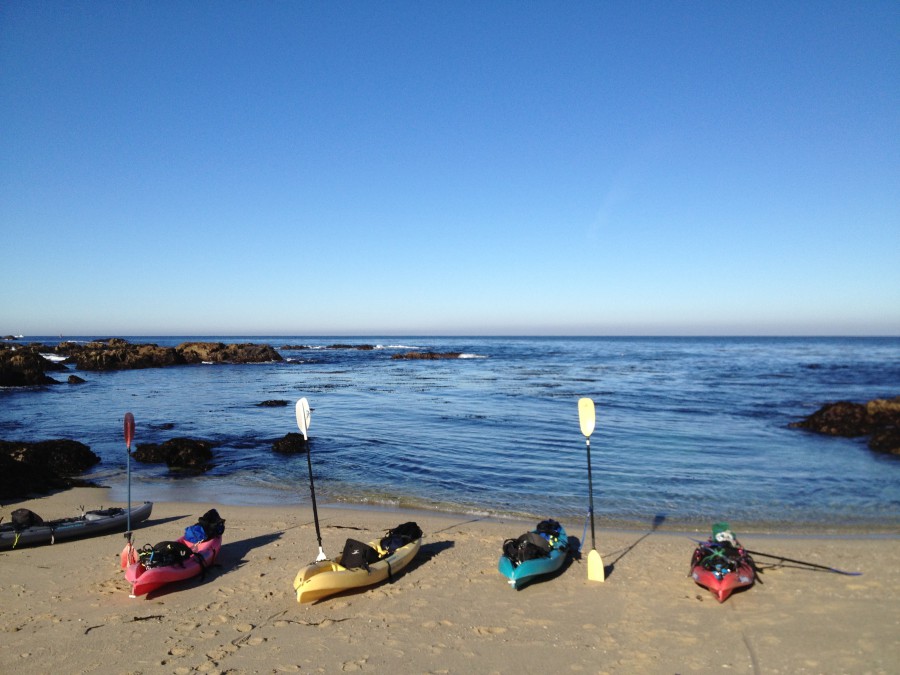
Kayak diving to many divers is an unknown term. For most divers there are only two types of diving shore and boat, but there is a new type of diving that provides the benefits of both in one great package. My introduction to kayak diving began with my employment at Adventure Sports Unlimited in Santa Cruz. With the California coast being renowned for its amazing kelp diving there is a small issue of access. A majority of the best diving is right off the shore which is accessible for divers willing to swim out but would require lengthy swims. Of course boats can also access these 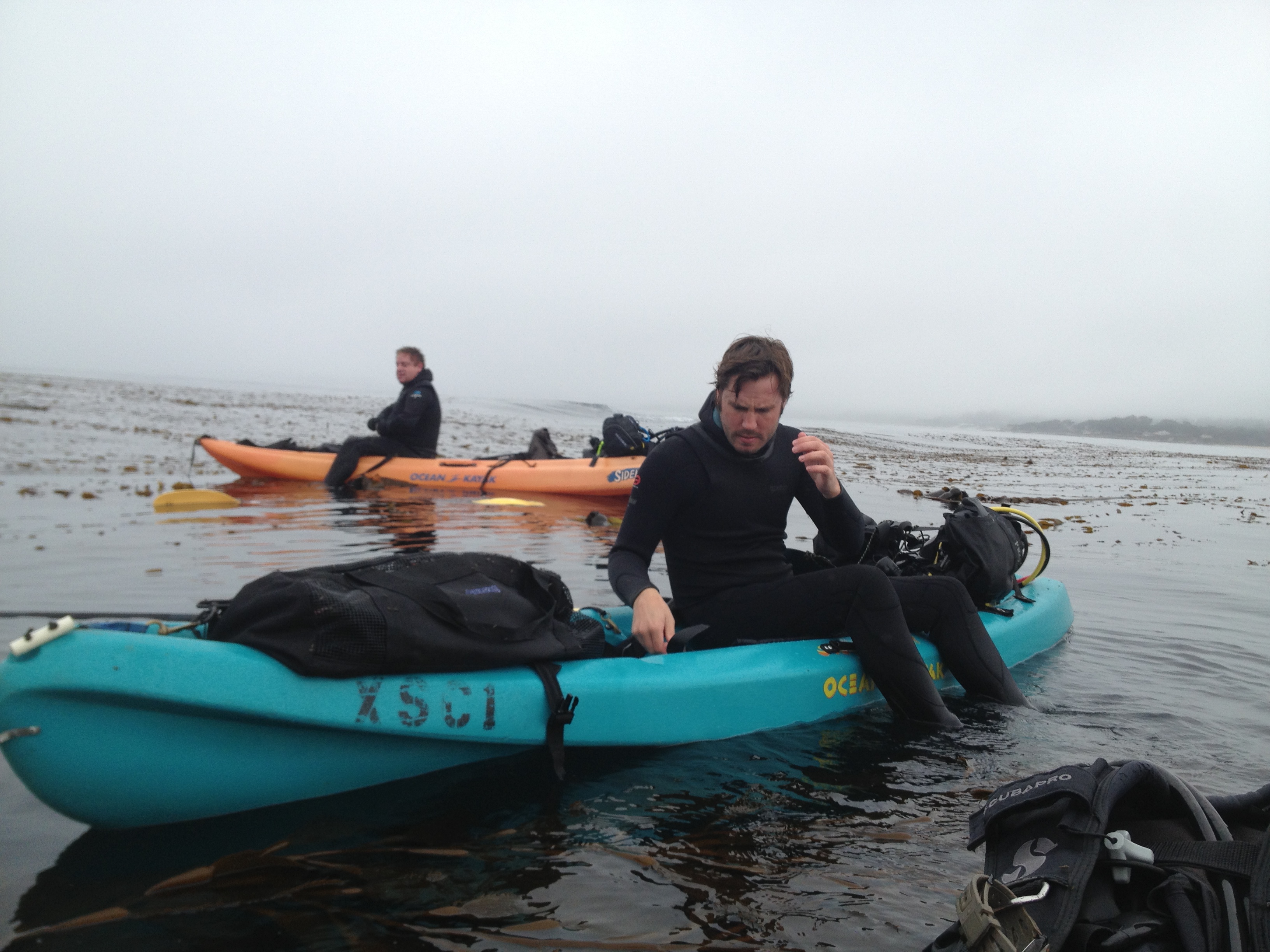 locations but they require long motors to many of them that require calm conditions to make it around point pinos. Kayaks solve both of these problems they are easily transported to the nearest beach, and allow for easy transport from the beach to the site. Some might wonder what to do with all of the equipment and when do you put it on? The kayaks used by Adventure Sports Unlimited are sit on top kayaks and are specially outfitted with extra straps to accommodate all the equipment. All the diver has to wear is his or her wet/dry suit and booties, everything else is attached to the kayak in case of capsizing. Currently Adventure Sports Unlimited is the only shop using kayaks as a vehicle on the central coast and as far as I am aware in California as well. they provide a safe transport to dive sites where a person does not have to worry about the treacherous entry and exit, or the fatigue of swimming to sites that are farther from shore. Being able to move so far offshore gives the convenience of a dive boat without the cost and hassle. Like diving, using a kayak to dive has a steep learning curve, balance can be an issue at times as well as seasickness. The hardest part of Kayak diving is the timing of the entries and exits, if poorly timed a kayak diver can fill equipment with sand, or lose equipment if not properly attached. But like diving everything improves with time,
 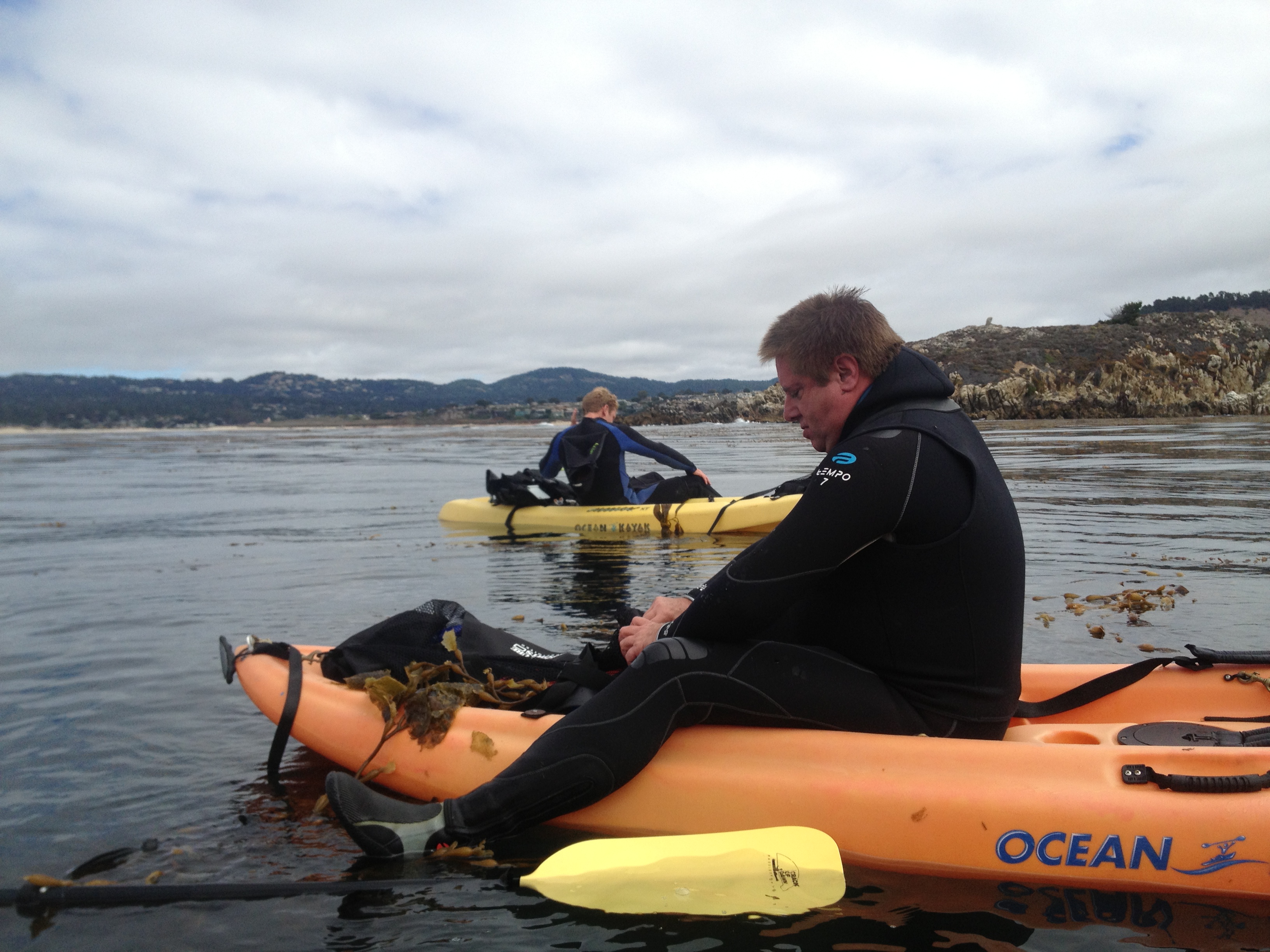 within the last 3 years i have managed to do over 300 dives off of kayaks and I now refuse to do a shore dive without one. I can get out to my site much faster and with less effort, and increase my dive time by starting my dive exactly where I want to instead of descending and waisting air getting to it when I am to tired of fighting with the kelp. I hope one day that Kayak diving is more mainstream, it is fuel efficient and promotes exploring for new sites, but there are limitations that need to be addressed. Here in Monterey and Carmel we tie our kayaks off to the kelp, many places worldwide do not have that option, so an anchor would be best suited, but what about damaging the seafloor with anchors, set up moorings. As a final word on kayak diving they are a wonderful vehicle to access the Carmel and Monterey Bays, and I hope some time soon they will become a new standard for diving.
Solo Diving

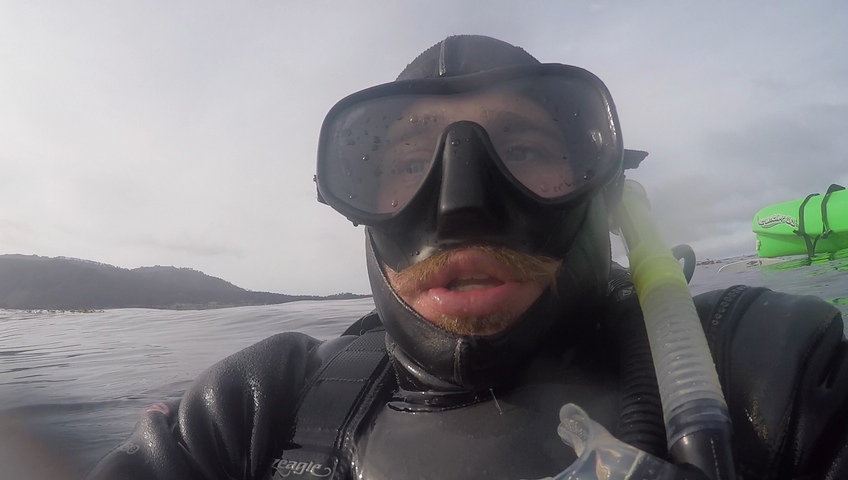 For anyone who has taken an open water certification course we all know that it is not a good idea to go diving without a buddy. On dives our buddies are our lifelines and are there to help us when we find ourselves in a serious situation. So for anyone who may be considering diving solo first you must be very self sufficient, you don’t need help getting into any of your gear and don’t need to be reminded to check your air on the dive. Solo diving is not for beginners, I have done hundreds of dives and am very familiar with the dive sites that I dive at. With that begin said it is not uncommon in Monterey for divers especially photographers to dive alone.
 For my dives I usually do my best to over prepare, i always carry 2 computers to ensure that i never exceed my NoDeco Limit, one of my computers is Air Integrated and I have a standard SPG as well. I do not bring a pony bottle because I vary rarely solo dive but if i had one I would bring it with me. I also use a Kayak to reach my dive site, this allows me to easily get passed the rough water on the shore and put my gear on directly above where I intend to dive. This means that if i get tired during the dive or at the end i have a place i can rest before heading in.
With this being said solo diving is a very different experience, you only have to worry about yourself, and your own air consumption. so you can dive as long as you want, you do lose a second pair of eyes for spotting different things but you also don’t know about anything that you might have missed. Other perks include not getting kicked  or bumped by a buddy or the visibility being compromised by a buddy who bounces on the bottom and stirs up the sediment. Some times you are fortunate enough to find the beauty and serenity of the ocean without the extra distractions of other divers.
Check out my dives from my two solo dives at Carmel River State Beach and Breakwater.
Diving With GoPro
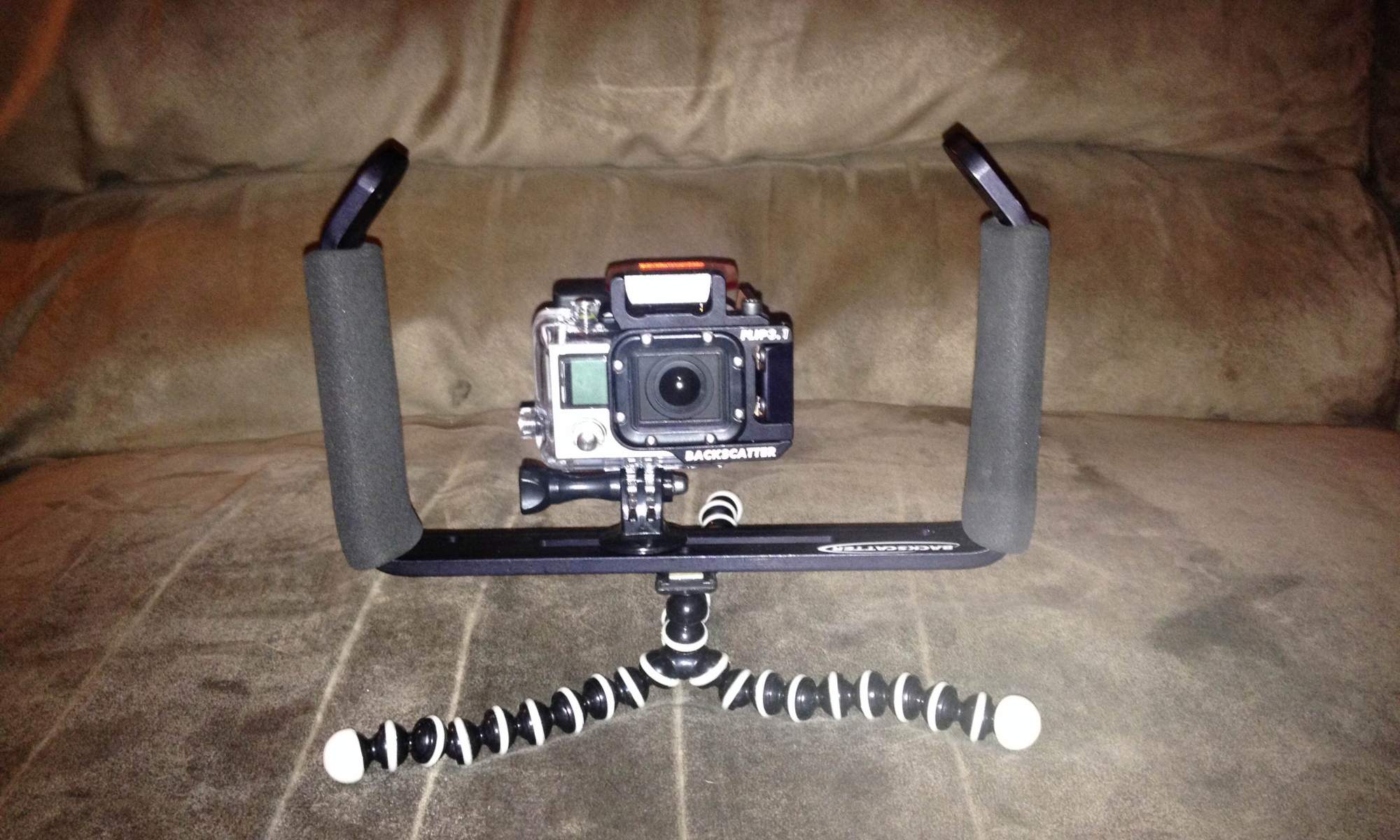
Over the last year I have invested all of my diving not obligated to work to using my GoPro Hero 2 and more recently Hero 4 silver. The combination of affordability, ease of use and high quality video makes it a no brainer for any diver that wants to share their experience with their friends. There is a lot of trial and error using a GoPro and there is no doubt that a shot you may have hoped to capture might not turn out the way you wanted. Aside from putting away the time to practice with the GoPro are a a couple things i think are imperative for diving with GoPro.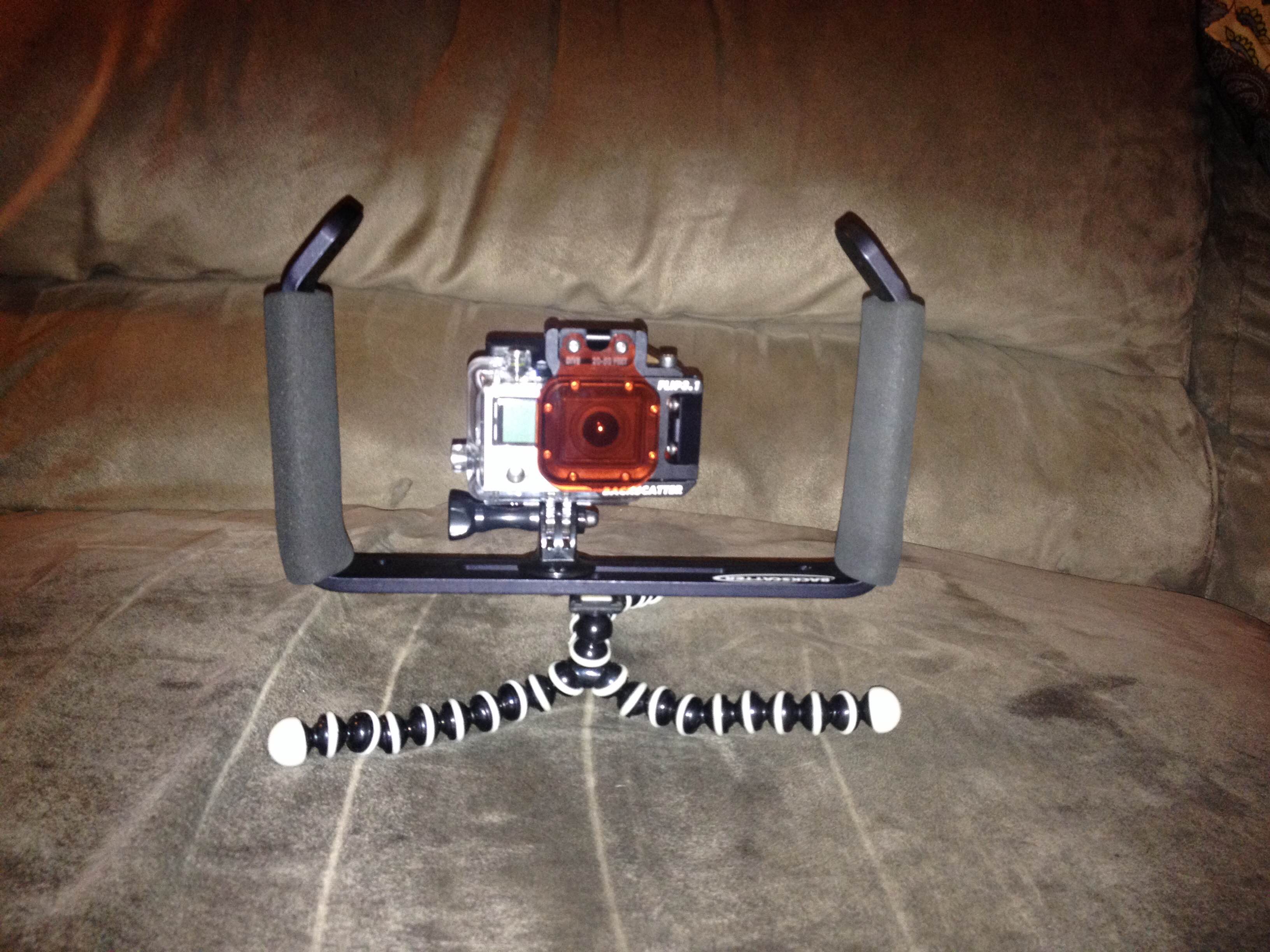
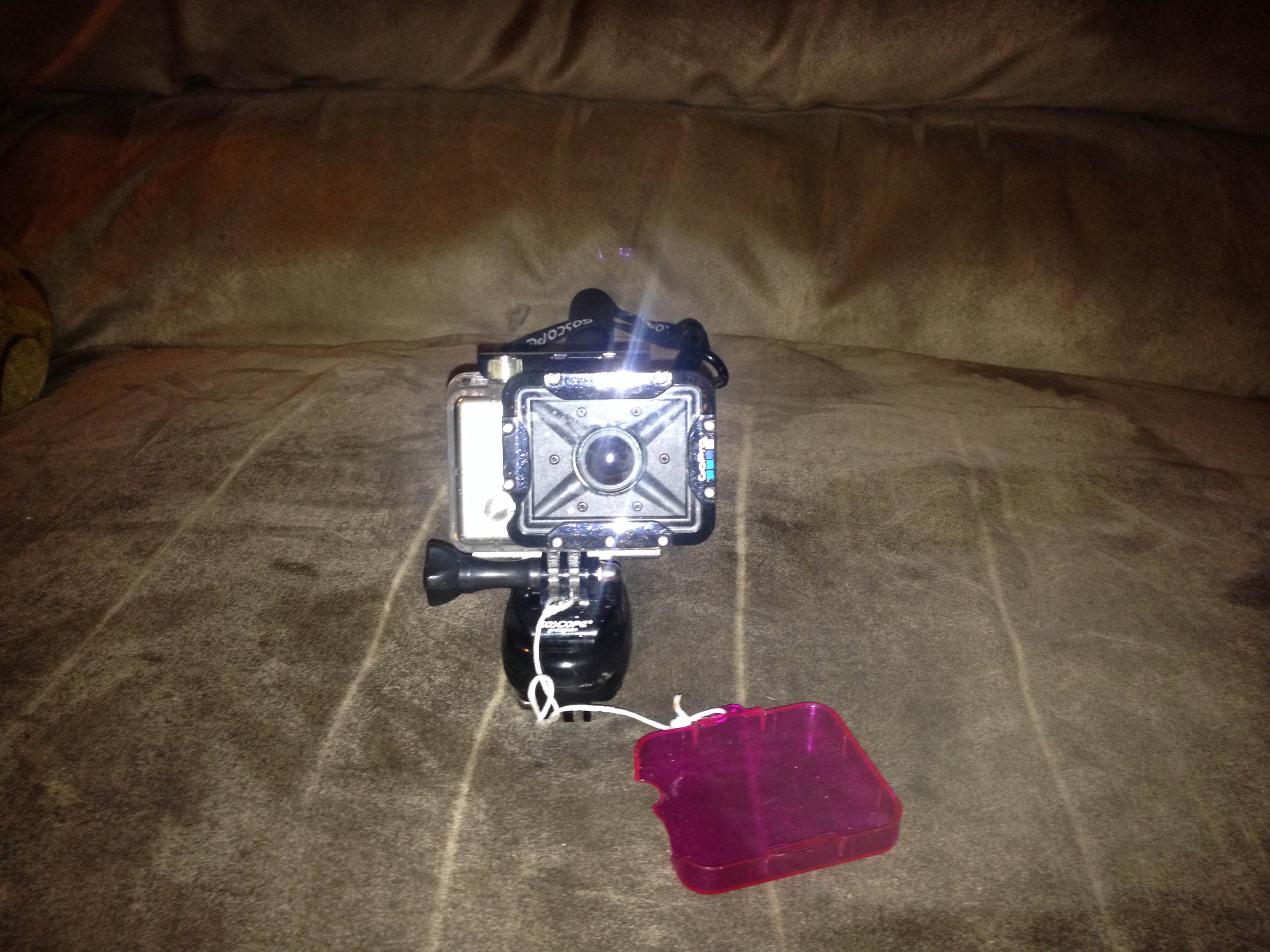
- Dive Housing- despite the standard housing being water proof to 139ft there are a couple reasons the dive housing is better. The dive housing is thicker and can take more punishment and depth 199ft, it also is compatible for multiple filter systems.
- Color correction Filters- Color is lost with depth, depending on how deep your dive is you may need different filters, red is the
 most common filter to brighten up the colors on a dive, the darker the red filter the deeper its intended for. There are also filters for green water like Monterey Bay and have a Rose color.
 - A proper Mount- there are many mounts that divers use for different reasons, its up to you to find what works best, but my recommendation is between pistol grip, pole/extendable pole, or a trey. Holing it in your hand or mounting it on your head has a lot of sway and movement and can make the watchers sick and hard to steady the picture.
 Lanyard or clip- attach the GoPro or mount to you in some way either using a lanyard on your wrist or a clip to your bcd somewhere so you can have your hands free in an emergency and not lose your GoPro.
- Spare Batteries- if you own a GoPro you are well aware that they still don’t have the best batteries, I highly recommend Having a spare battery or two just so you can have a fresh battery for each dive so you don’t miss out on a chance to catch anything. They don’t have to be GoPro brand batteries the aftermarket ones work fine in my opinion and you can often find a package of 2 batteries online with charger and car adapter.

These in my opinion having these pieces of equipment will vastly improve the quality of the video you are taking, I will have videos of my dives posted periodically and hopefully everyone enjoys.
Breakwater Solo Dive
I normally avoid breakwater as best I can because it is over crowded with divers most of the times and can get a little hectic. But I was in the area to pick up some filters for my GoPro and the water looked nice so I thought I would go for a little dive and see what it was like. This was probably the best visibility i have ever seen at Breakwater but not having tons of other divers around made it possible to dive without disturbing the fine sediment that covers the sandy bottom there.
 Submerged Travels