The Riffe Stable snorkel is by far the absolute best snorkel that I have ever used. When looking at this snorkel you will notice that is is a little different from other snorkels and those differences are what makes it in my opinion the best snorkel. This snorkel it is produced by Riffe which is a very well known spearfishing company, with that being said this snorkel is amazing for any activity free diving, scuba diving, snorkeling but was designed with spearos in mind and it shows.
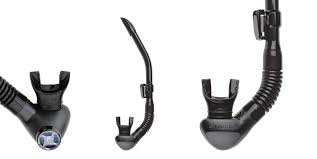
Lets start off with the features of this snorkel because despite it being a snorkel there is a lot of design and thought put into this piece of equipment.
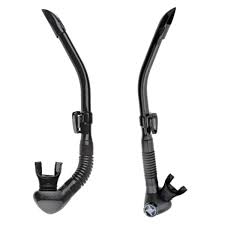
- Tapered shape: one of the first things you will notice when holding the stable snorkel is the taper shape of the tube, instead of a standard round tube it is teardrop shaped to give it a more hydrodynamic shape in the water. While this may seem gimmicky there is almost no drag from this snorkel and i easily forget about it when I am diving with it.
- Oversized Purge: the purge on this snorkel is huge and makes clearing water out of the snorkel effortless, I have never had to clear the snorkel twice to get out residual water.
- Oversides purge reservoir: this reservoir allows for any water that is left in the snorkel after clearing to be as far from the users mouth preventing water droplets from being inhaled by the user.
- Backwards Facing Splash guard: This is probably one of the subtle features that most divers wouldn’t appreciate, the splash guard is backwards facing, it keeps with the hydrodynamic design and leaves a very large opening at the top of the snorkel, the added benefit of this design is that the opening is the perfect size to block with a thumb to force any residual water out the purge of the snorkel. This also allows users to clear that negative air space that is created in the tube of the snorkel.
- Flexible Tube: The tube of the stable snorkel is made out of a flexible plastic that is rigid enough to keep its shape but can also be folded and shoved in a pocket of a bcd if not in use.
- Corrugated Silicone section: This is pretty standard for most standard snorkels and is a nice feature for one that can be used for scuba diving as well as free diving.
- Replaceable mouth piece: this is something that is also fairly standard for most snorkels these days but being able to swap out another mouth piece if it is damaged is always a great feature.

With any design there will always be flaws that deserve improvement for the most part this is a perfect snorkel my only gripe with this snorkel is the lack luster snorkel keeper and the sub par mouthpiece. Both of these are easily replaced or swapped but I wish that they just used the same snorkel keeper that Riffe Uses on their J-tube snorkel. And the mouthpiece while not the worst I like it better than aqualung mouthpieces i just din’t find it as comfortable as I would like.
The last thing worth noting is the price, for a semi-dry snorkel the Riffe Stable snorkel is a little expensive but if you factor in all the features I think it is well worth the value. Standard retail pricing in the US for the Stable Snorkel is about $52. If you are in search of a new snorkel and you are tired of the basic bargain bin snorkels but don’t need the fancy dry tops check out the Riffe Stable snorkel I assure you it will be the best purchase you have made on dive gear.





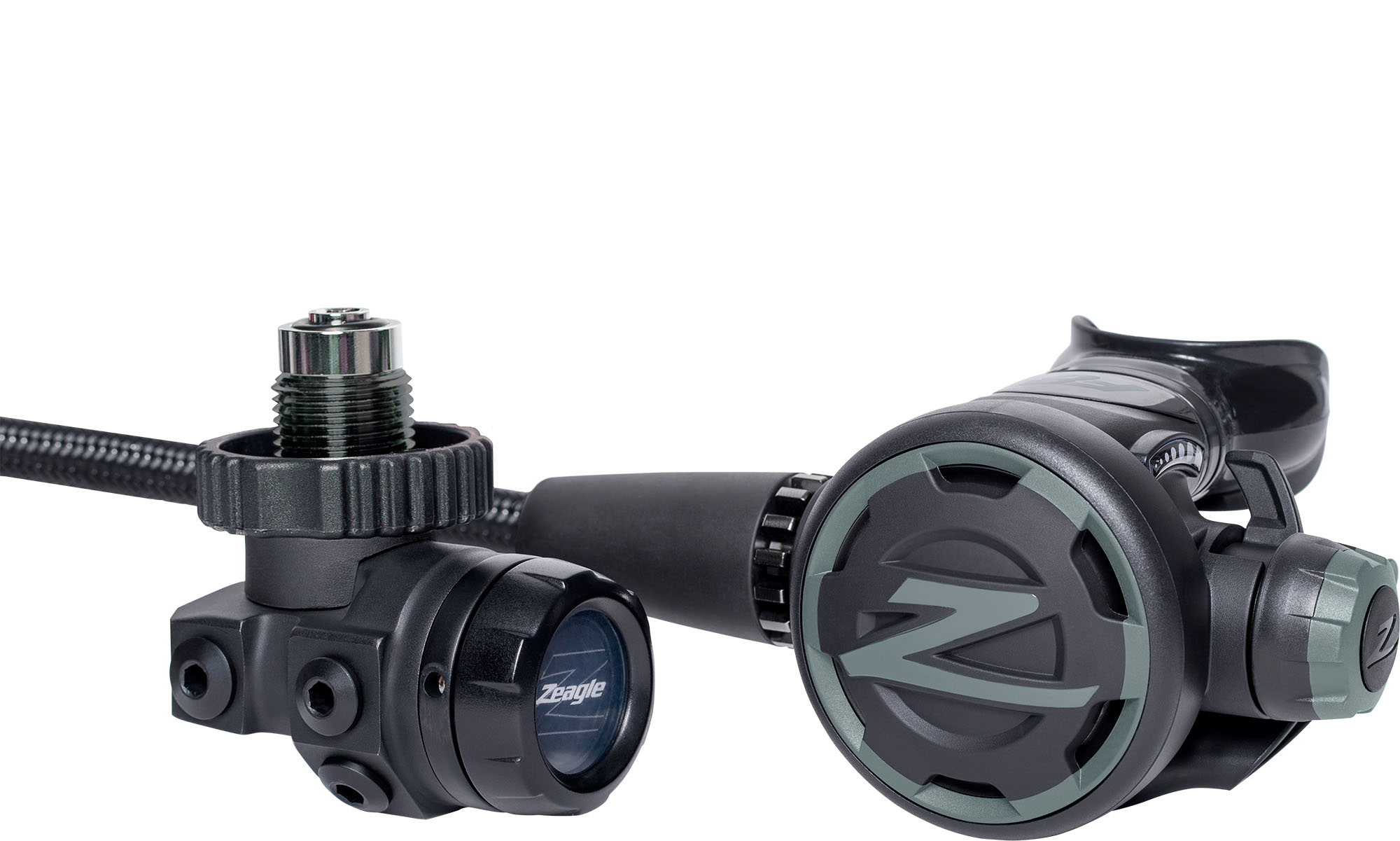 known for their BCD’s they do produce a small line of rugged hard working regulators. These regulators range in price from $329.95 for the Envoy 2 at their entry level, $484.95 for the Onyx 2 for the middle ground, and $629.95 for the F8 as their high end regulator. This is going to focus on the F8 regulator from Zeagle and my experience with this lesser known regulator.
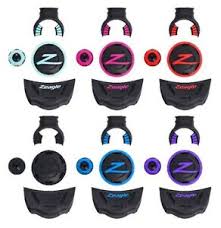 simple classic design takes advantage of the classic look of regulators and the simplistic no extra bells and whistles of the first stage. Zeagle does like to set their regulators apart by having 5 low pressure and 2 high pressure ports on their first stages, 4 of the low pressure ports are traditionally placed with the fifth facing directly forward I assume for more tech/sidemount applications. Zeagle like other companies has adopted the usage of color kits to personalize the regulator with an assortment of colors from standard blue, and pink to purple and red. These kits are in my opinion a little over priced but will make the regulator stand out replacing the purge cover, adjustment knob and exhaust cover.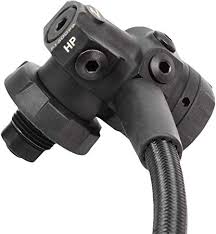


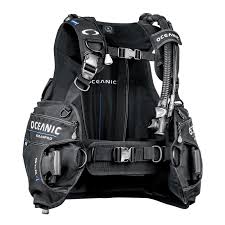
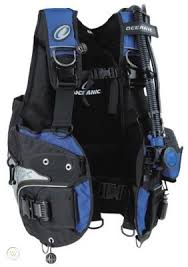
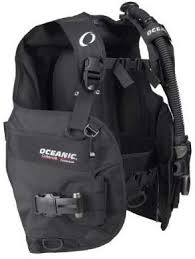
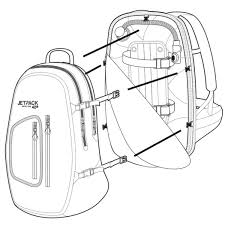 The jet pack is made as a one size fits all bcd that almost completely comes apart, removing the cumber bun weight pockets and storing them in the zip away rear panel that contains the bladder, inflator, tank straps, cumber bun and weight pockets when in the travel mode. In this configuration there is a backpack that can attach to the broken down bcd and can be used as a carry on bag for airline travel. This system does work pretty we’ll and the detachable backpack is very large and has a great amount of storage space. The set up is fairly simple, the rear panel unzips and rolls up secured with a few pieces of velcro the bladder extends beyond the edges, the cumber bun, weight pockets are attached and the shoulder straps are unclipped from the base of the bag and attached to the weight pockets. The most difficult part is threading the cumber bun through the hidden loops and adjusting the shoulder straps for personal comfort lengthening and shortening the nylon webbing. The cumber bun does attach using velcro attaching to itself appears to be surprisingly secure but I can only assume that over time the velcro will give out. But for the time being it appears to be working just fine.
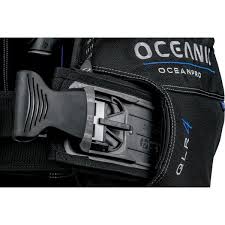
 system from other Oceanic BCD’s instead of the traditional pull from the center out the straps are laced back and use a pul from the sides to center, This is a feature i have seen on many Aqualung bcd’s. The back inflation style makes it a very comfortable dive and uses high quality durable materials that dry relatively quickly. The materials never felt over saturated with water leaving me wondering if it had dried fully before packing. The last thing I am very fond of is the backpack, this thing is great. Weather it is attached or detached this thing has a ton of space, pocket for laptop, many interior mesh pockets for storage of small items, two exterior pockets, straps on the sides great for sandals or beach towels, and zips completely open which can be nice when you are unpacking or looking for something in the bag.
 feel like no matter how much i play with the adjustments that I cannot get it to sit perfectly for me because I have a short torso. I have also found that the placement of the deflator is just not right for me I find my self having to adjust my body positioning more while diving to deflate. This could be because of the length of the bcd and how it fits my body or just that I am so used to my primary bcd I need more time to adjust. Another small issue I have is the weight, for a travel bcd the jetpack is a little heavy, about 6.25 lbs which is lighter than a traditional bcd but also heavier than most lightweight travel bcd’s sitting somewhere in the middle. The salvation for this issue is that it packs into a backpack and can be used as a carry on so weight is not as much as a factor in the long run. My final issue is with the placement of the tank strap, I understand that for the length of the bcd it has been set low to prevent swing of the tank but I wouldn’t mind an additional strap a little higher for a more secure hold, it does have a valve strap that can aid in some stability but I personally prefer a double strap system.



 Submerged Travels